
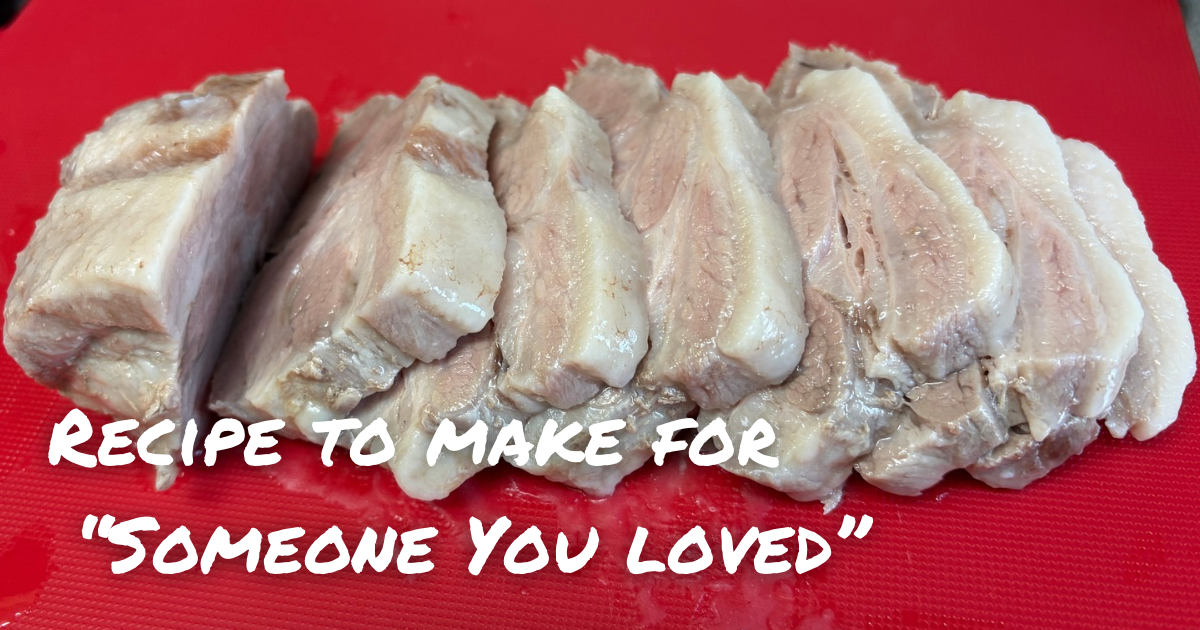
高齢者の家族がいたらきっと「お餅が入ったお雑煮を安全に食べさせる」というミッションを無事クリアして安堵されているかと思います。みなさまお疲れ様でした。
我が家にも高齢の家族がいますので、お正月=お餅という伝統的なフローがあります。聞こえないふりををしたりしたけど結局元旦は雑煮にお餅を入れた。
ワタシは歯応えがあるようなものが好きなのですが、高齢家族にとってはちょっと迷惑な話で、口に入れてみたけれど繊維が噛みきれずにお皿にお肉が戻されていたり、手をつけなかったりするのでどうやったら食べてくれるだろうと悩んでいたところ「蒸し煮」という方法をネットで見かけました。豚肉は脂が落ちて胃に優しく、冷めても硬くなりにくいという料理。早速レシピをまとめたので是非作ってみてください。
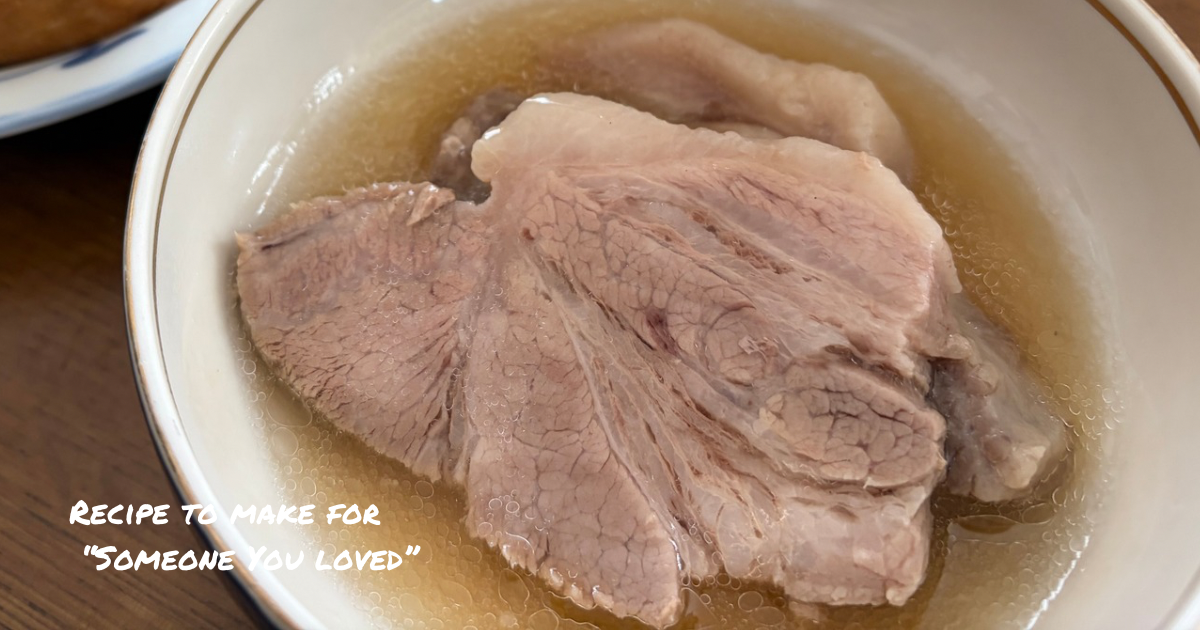
完成したお肉はほぐしたり、出汁をかけたり、根菜野菜と温め直したりすると高齢のご家族と一緒に楽しめるかと思います。もちろんお子さまにも。
沸騰させるとお肉が硬くなってしまいます。

材料
• 豚ロース塊肉 … 約600g
• 水 … 200ml( お肉の分量によって異なる。水分量は下部を参照)
• 酒 … 大さじ2
• 生姜(薄切り)… 数枚
• 塩 … ごく少量(最後に後かけで調整)
作り方
●鍋に肉・水・酒・生姜を入れる
●弱火でフタをして40〜50分
25分くらい経ったら上下の加熱ムラを防ぐため一度裏返す.
状態_上はピンク色の部分が残っている。底の部分は色が白くなっている
●火を止め、そのまま冷ます
●繊維を断つ方向で薄切り(冷めてからの方が切り分けしやすい)
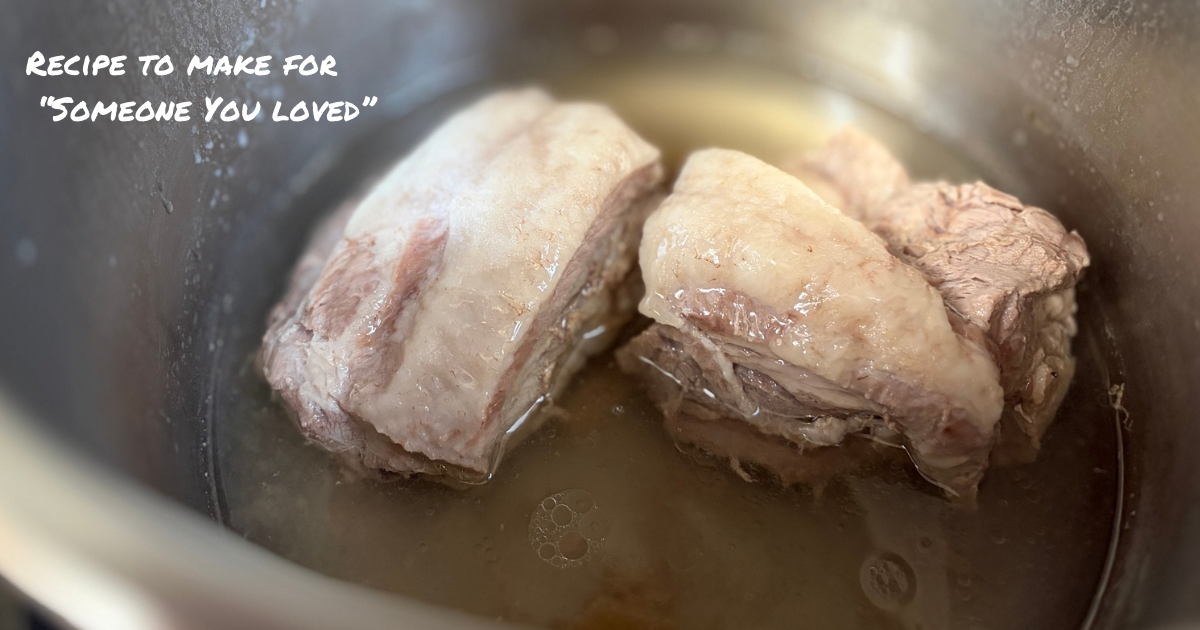
正しい水分量の目安(家庭用鍋)
豚ロース塊 500〜600gの場合
• 水:150〜200cc
• 酒:大さじ1〜2(省略可)
• 肉の高さの1/3程度まで水が来るのが理想
「煮る」のではなく 蒸気+湯気で包む量
肉を鍋に入れた状態で
• 肉の高さの1/3前後まで水が来る
• 肉が完全に水に浸からない
• フタをして加熱すると湯気が鍋全体を包む
フタを開けたときに
• ゴボゴボ沸いていない
• 鍋底に常に水分がある
• 肉表面が乾かない
この3つが揃っていればOKです。
水分量が1/3以下に減ってしまったら、熱湯を少量入れましょう。水分が飛び跳ねることがあるので気をつけながら。
下は、豚肉の煮汁に生姜と和風顆粒だしを水溶き片栗粉であんかけにして豚肉と一緒に温めた一品。
Translation
Cooking for Elderly Family Members: A Gentle Pork Recipe That’s Easy to Enjoy
If you have elderly family members at home, you probably breathed a sigh of relief after successfully completing the New Year’s mission of “safely serving mochi in ozoni.” Well done, everyone—you’ve earned it.
In our home too, we have older family members, so New Year’s wouldn’t be complete without mochi. I tried to pretend I didn’t hear the request this year, but in the end, I gave in and added mochi to our New Year’s rice porridge, just like always.
Day to day, I tend to enjoy food with a bit of texture and bite, but that’s not always ideal for our elderly relatives. Sometimes they try a bite but quietly place the meat back on the plate because it’s too tough to chew. Other times, the dish is just left untouched. I found myself wondering how to make meals more enjoyable for them—and then I came across a cooking method called “steamed simmering” online.
It turns out pork cooked this way is not only easy on the stomach—thanks to the fat rendering out—but it also stays tender, even after it cools. I’ve put together a simple recipe you can try at home.
Once the pork is cooked, you can shred it, pour a little broth over it, or reheat it with root vegetables. It’s soft and flavorful—perfect for older family members, and kids will love it too!
The key to this recipe?
Don’t let it boil.
Boiling makes the meat tough, so gentle heat is essential.
Tender Steamed-Simmered Pork (Lasts 3–4 Days)
Ingredients:
• Pork loin block … about 600g
• Water … 200ml (adjust depending on the size of the meat – see notes below)
• Sake … 2 tablespoons
• Ginger (thinly sliced) … a few slices
• Salt … just a pinch (adjust to taste at the end)
Instructions:
1. Place the pork, water, sake, and ginger into a pot.
2. Cover with a lid and cook over low heat for 40–50 minutes.
→ Around the 25-minute mark, flip the meat to ensure it cooks evenly.
→ You’ll notice the top is still pink while the bottom has turned white.
3. Turn off the heat and let it cool in the pot.
4. Once cooled, slice the pork thinly against the grain.
(It’s easier to cut cleanly once the meat is cold.)
Water Guidelines (for home-use pots):
For 500–600g of pork loin:
• Water: 150–200ml
• Sake: 1–2 tbsp (optional)
• Ideally, the water should come about 1/3 of the way up the side of the meat—enough to gently steam, not boil.
Place the pork in the pot:
• Water should cover about 1/3 of the meat’s height.
• The meat should not be fully submerged.
• When you cover the pot and heat it, the steam will circulate around the pork.
When you lift the lid:
• The water shouldn’t be bubbling or boiling.
• There should still be moisture at the bottom.
• The surface of the meat should look moist, not dry.
If the water gets too low, add a small amount of boiling water carefully to avoid splattering.
This method has made mealtime much more enjoyable for everyone in our household. I hope it helps your family too—especially if you’re looking for gentle, nourishing dishes that are kind to aging stomachs and teeth.